
Our Judgment
A first-person Silent Hill that understands atmosphere and limitation, held back by uneven stealth and the occasional modern concession that lets the pressure drop when it should stay on.
A dojo does not hand you the map and then hold your hand through the dark, but a man who needs the game to tell him when to be afraid has already failed the test.
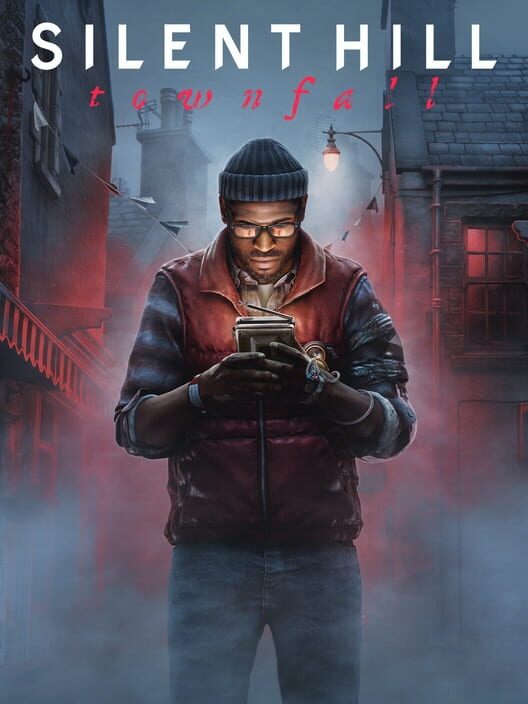
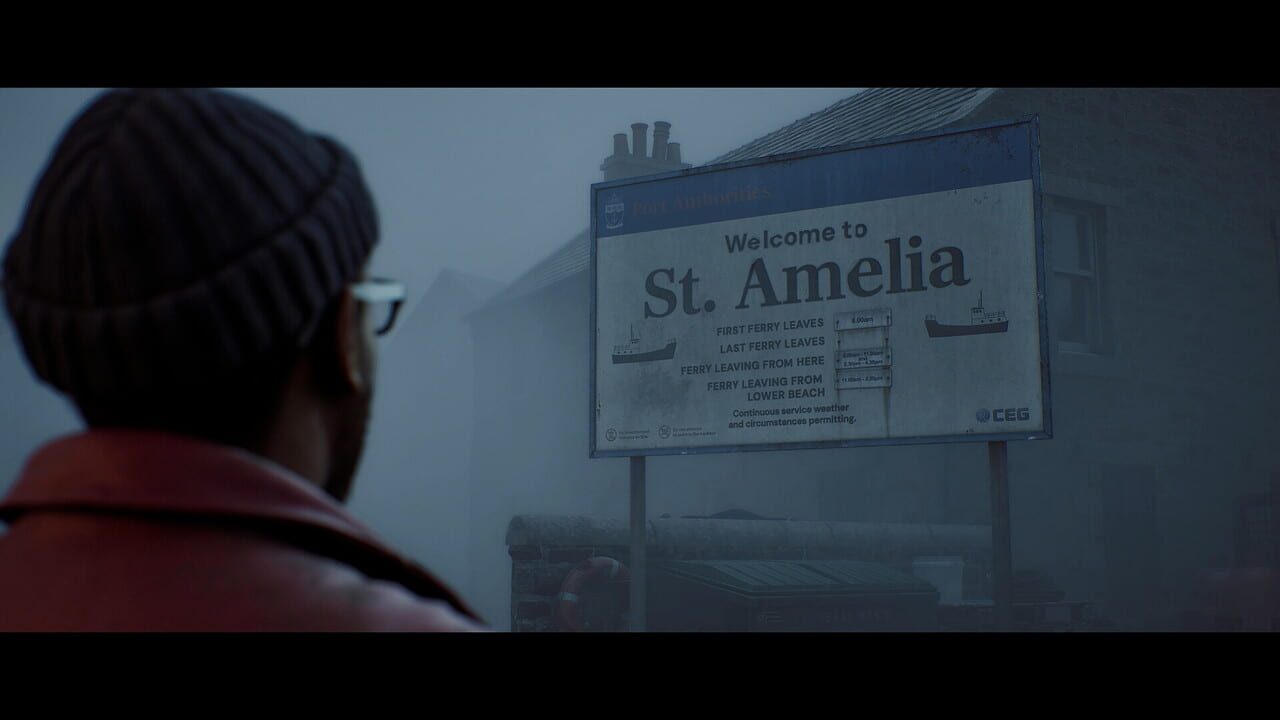
Silent Hill: Townfall puts you in the wet boots of Simon Ordell. He washes up on the shore of St. Amelia, a small Scottish island town in 1996, with an IV in his arm and no memory of how he got there. The place is empty except for the things that should not be walking. Fog sits heavy. The streets feel lived-in and abandoned at the same time. You are expected to move through it, figure out what happened, and stay alive long enough to understand why you are here.
This is first-person and that change matters. The old games put the camera behind the character and let you watch the horror from a slight distance. Here the distance is gone. You see the same damp stone and flickering lights Simon sees. The CRTV in your hand replaces the old radio. It picks up static when something is near, shows silhouettes through walls if you tune it right, and sometimes feeds you short video fragments that piece the story together. It is a tool, not a safety net. You still have to decide when to look at it and when to put it away and move.
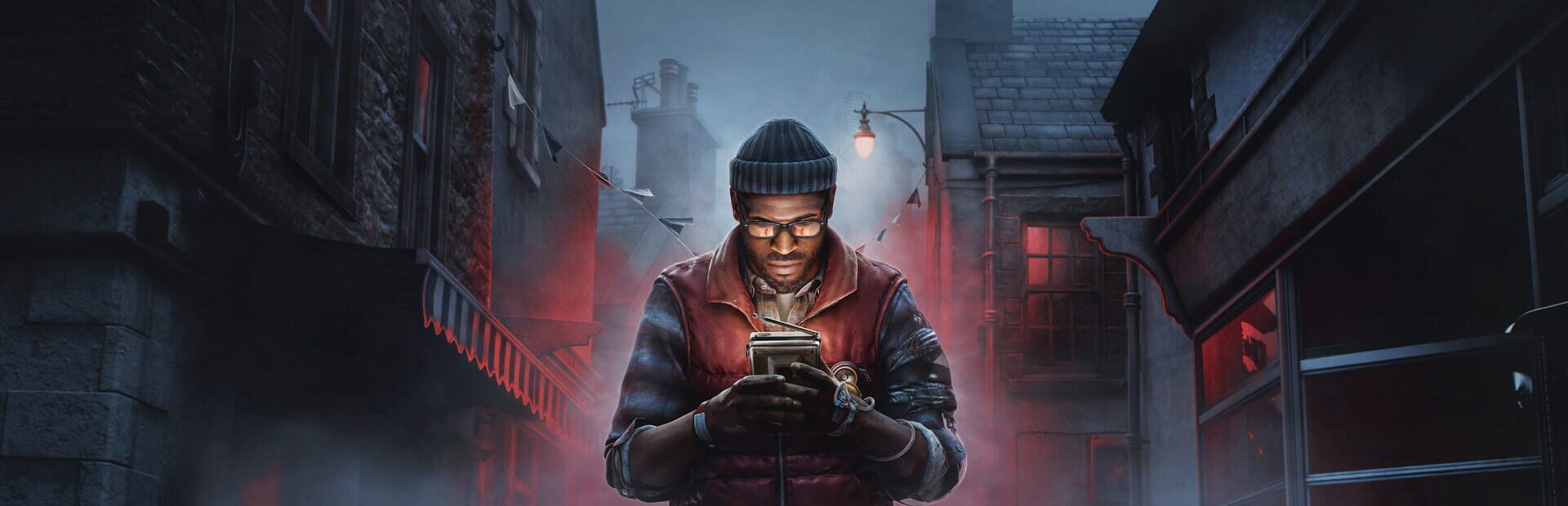
Combat is deliberately weak, melee weapons break and ammo is scarce enough that you feel every shot. The game wants you to avoid fights more than it wants you to win them. Stealth is the real language. You listen, you watch the CRTV, you choose routes, and you accept that getting spotted usually means a hard reset or a desperate scramble. When the stealth works it creates the right kind of pressure. When it does not, the frustration is real. Some sections make the detection rules feel unclear, and that is a failure of design. Ambiguity in the story is fine. Ambiguity in whether the monster can see you is just poor craft.
The town itself is the strongest part of the package. St. Amelia feels specific. The architecture, the leftover signs of ordinary life, the way the fog sits on the harbor, all of it carries weight. Screen Burn clearly knows this kind of place. The attention to analog details and period texture does more for the atmosphere than any jump scare. Puzzles lean on the same physical, slightly awkward technology. You are not solving abstract symbols. You are dealing with old equipment that feels like it belongs in the world.
The story moves through a few perspectives and eventually starts answering the questions it raises. Some of the answers land. Some feel thinner than the setup promised. Character work is serviceable more than it is deep. The game is better at building dread through place and limitation than it is at making you care about every person involved.
There is still some modern softness in the margins. The CRTV can become a crutch if you lean on it too hard. Certain failures are more recoverable than they should be. The later stretches ease off the tension in places where the game should have kept the boot on your neck. A true test does not start giving you room to breathe just because the story is wrapping up.
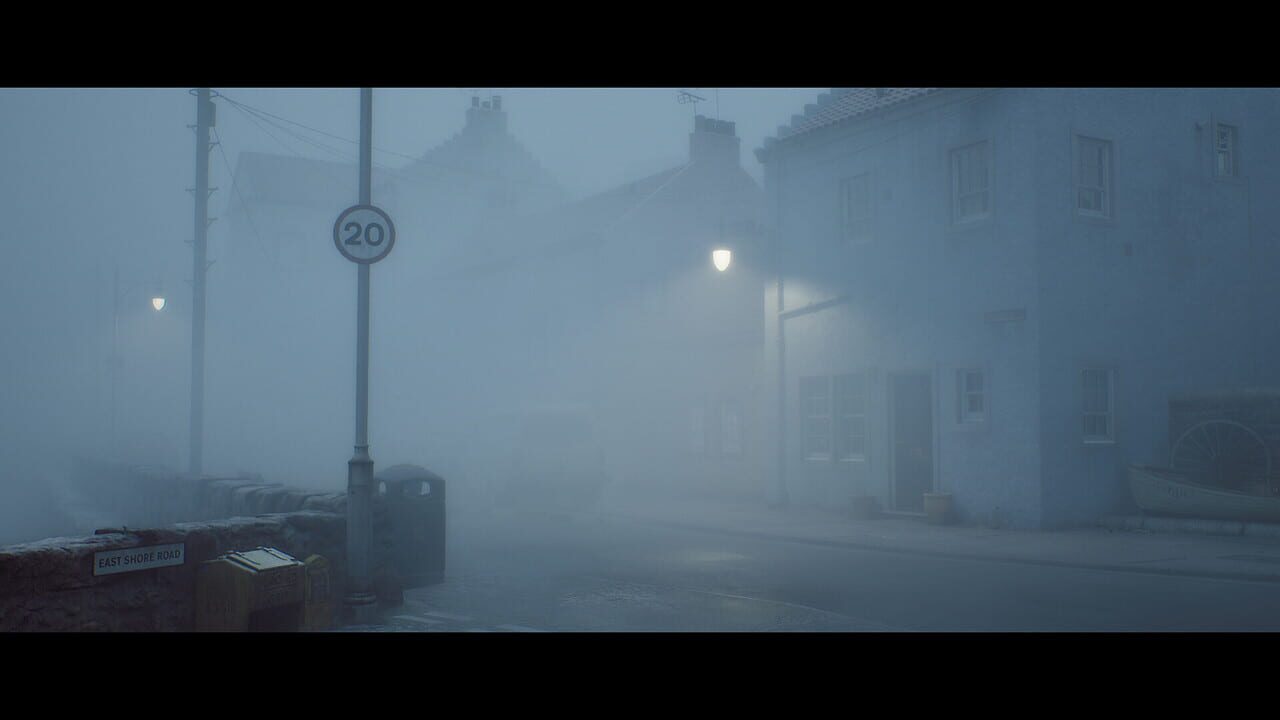
I moved through the fog and I used the CRTV when I had to and put it away when the static got too loud. I avoided what I could and took the hits when avoidance failed. The town stayed heavy the whole time. The systems that supported that weight were honest more often than not. The ones that softened the experience were the parts that felt like they belonged to a different kind of game.
Horror only works when the player is still responsible for their own survival. Townfall mostly remembers that. When it forgets, the fog thins and the old lessons get harder to hear.