
Our Judgment
A fast, unforgiving one-hit-kill action game with real demand for mastery and a strong late-90s aesthetic, still early enough that the full package will decide whether it stays honest or starts offering the usual modern exits.
A dojo does not hand you a second chance every time you blink. A warrior who cannot finish the run before the cigarette burns out has no business claiming the blade.
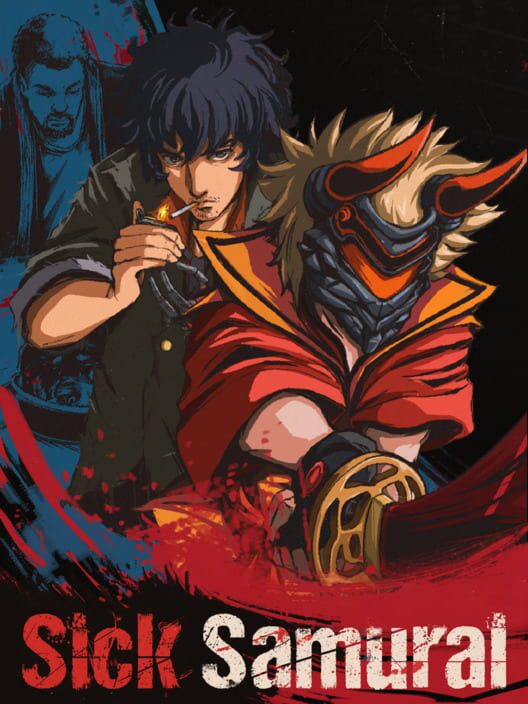
Sick Samurai is a top-down, one-hit-kill action game that knows exactly what it is. You play a young fighter on Furikyu Island, a strange mix of Edo-period Japan and gritty 20th-century urban America, training under Genyu, an infamous ex-samurai who seems more interested in watching you fail than in teaching you anything soft. The combat is built around speed, precision, and the simple fact that one mistake ends the run. You dash through rooms, slash enemies open, kick objects into their path, throw kunai or stun bombs when the angle demands it, and pull off the Girameki technique when the timing is right. Blink and you die. That is the entire contract, and the game does not apologize for it.

The levels are hand-crafted instead of procedurally generated, which is the right call for this kind of game. Multiple paths exist in each one, so you can force a route, pick upgrades and items that change how you approach the next stretch, and chase the elite rating by finishing before Genyu’s cigarette burns out. The timer is not decorative. It turns every clear into a real test of route knowledge and execution. When the systems click, the game feels like Hotline Miami with a samurai edge and a lofi jazz soundtrack playing while you carve through the room.
The combat itself has real snap. Movement is fast and the one-hit rule forces you to stay present. Secondary tools and environmental kicks give you options without turning the fights into button-mashing free-for-alls. Mastery is measured in clean runs and high ratings, not in how many times the game lets you respawn and try again with a softer difficulty. That is the old standard, and most modern action games have forgotten it.

The presentation sells the fantasy. Hand-drawn retro anime art and an original soundtrack heavy on lofi, hip hop, jazz, and funk give the whole thing a late-90s rainy-night atmosphere that fits the blood and the cigarettes. Fully voiced dialogue with branching choices lets you build relationships with characters like Genyu and Jones, the former gangster who runs a jazz bar. The writing has personality. It does not lecture and it does not stop the action to explain why everyone should feel included. It just lets the island and the people on it exist.
There is still room for the modern softness to creep in once the full game lands. The demo already shows some quality-of-life touches and difficulty adjustments that keep the experience from becoming pure punishment. Upgrades and items can blunt the edge if you lean on them too hard, and the path of least resistance will always be available for players who want it. A real test would keep the cigarette burning and the one-hit rule absolute without offering as many ways to soften the demand.

I ran the available levels hard, chased the elite ratings, forced the routes, and treated every death as a skill issue instead of a design problem. The combat rewards aggression and precision the way older action games used to. The aesthetic does not apologize for itself, and the story stays focused on a young fighter trying to become the best under a mentor who will not hold his hand.
A blade only stays sharp if the man holding it refuses to flinch. Sick Samurai remembers that. Whether the full release keeps the same standard or softens under the weight of modern expectations is still an open question. For now, the demo cuts clean.