
Our Judgment
A polished action-forward prequel that gives Sophia her own stage and expands the lore with confidence, yet leaves behind the singular darkness that once made the Plague Tale series cut deeper than most.
A wise warrior knows when to change his stance.
A foolish warrior clings to the same blade even when the battlefield has shifted.
This old Sensei has watched the Plague Tale series change its stance.
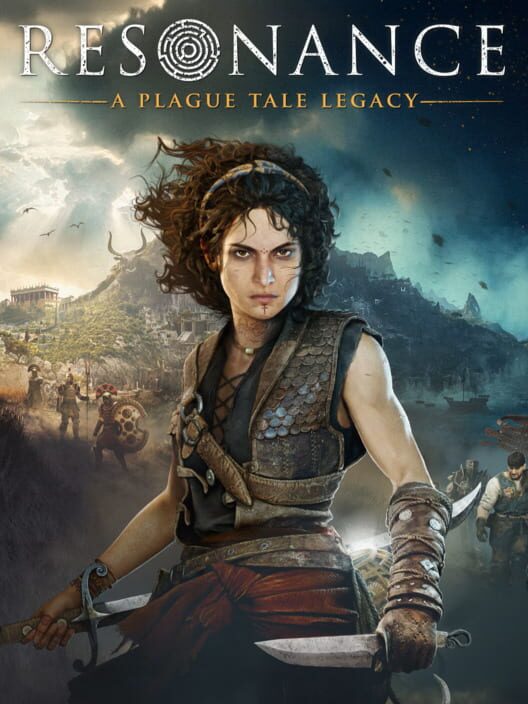
Resonance is a prequel set roughly fifteen years before the events of Requiem. You play as Sophia the capable, sharp-tongued smuggler who once stood beside Amicia long before she became the woman we already knew. Kidnapped as a child, subjected to experiments that left her with haunting visions of a distant island, she grows into a plunderer searching for answers, for her father, and for the source of the curse that has followed her. The path leads to the Minotaur’s Island, a place where medieval blood and ancient Minoan myth bleed into each other across dual timelines.
This is not the Plague Tale you remember.
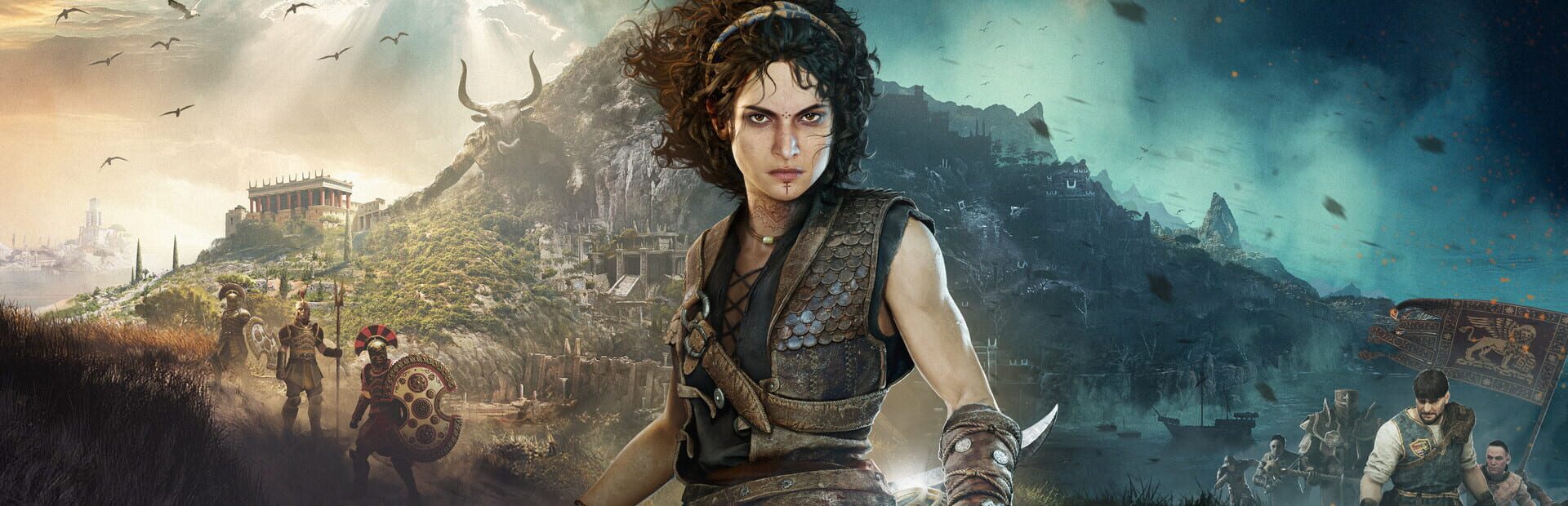
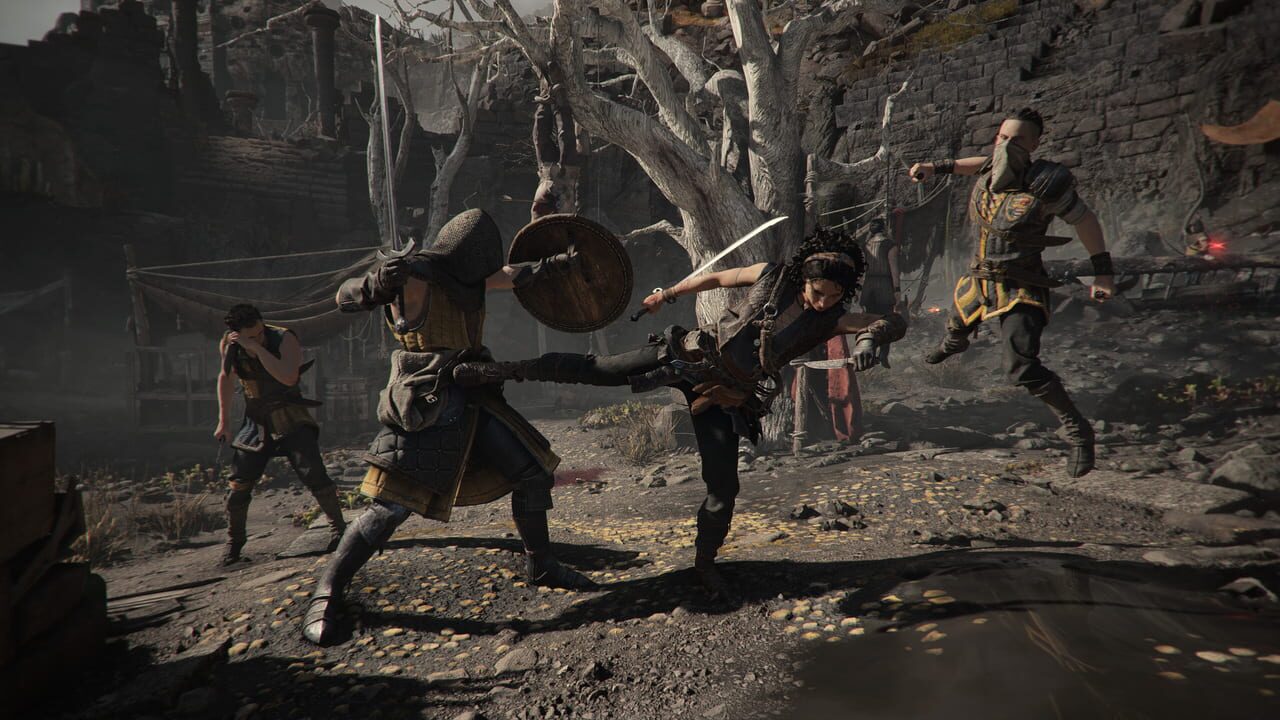
The rats are gone. The desperate stealth is largely gone. The slingshot and the constant terror of the Macula’s shadow have been set aside. In their place Asobo has built a more confident, more conventional third-person action-adventure. Sophia fights with sword and knife. She parries, dodges, staggers enemies, throws environmental objects, and chains attacks with a fluidity that feels closer to Ghost of Tsushima or the modern Tomb Raider games than to the fragile, rat-haunted survival of the earlier titles. Combat is the new center of gravity, and it is competent sometimes genuinely satisfying when the systems click and the island’s soldiers fall in clean, brutal sequences.
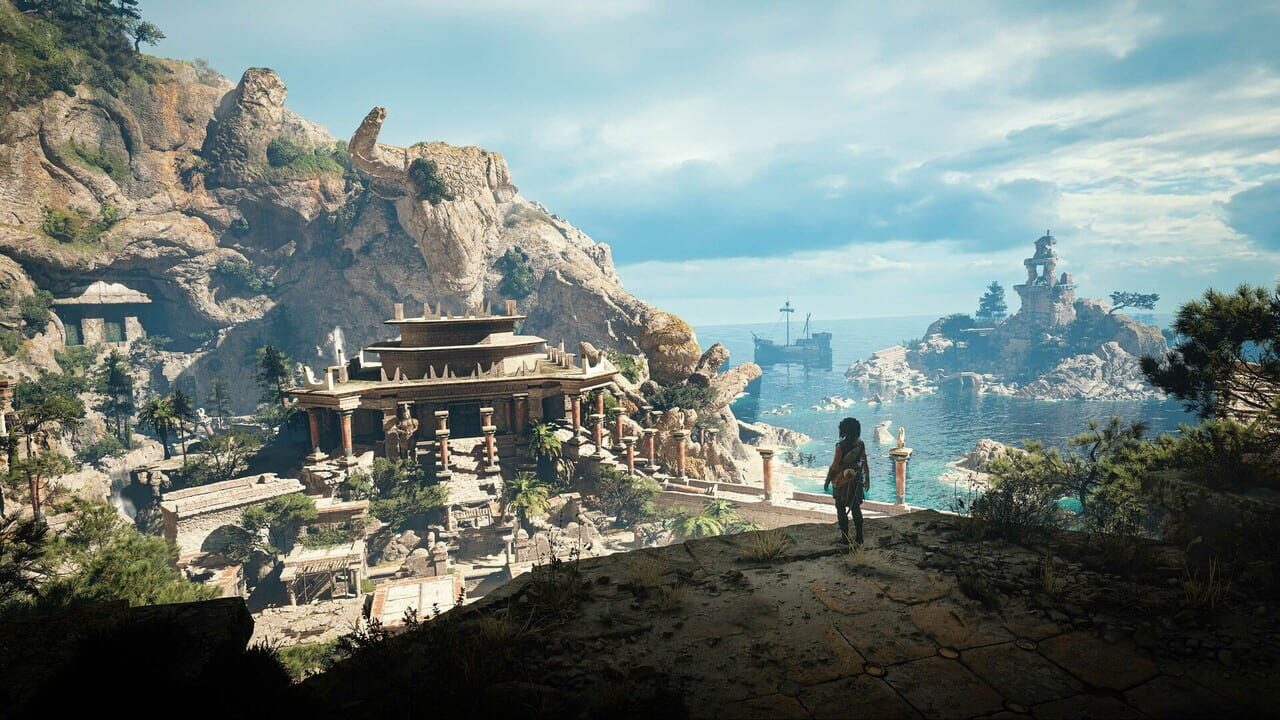
Exploration and puzzle-solving fill the spaces between the fights. Ancient ruins, cliffside paths, light redirection, environmental riddles, and journal notes guide Sophia deeper into the labyrinth. The dual-timeline structure lets the game interweave Sophia’s present with the mythic past of Theseus and the Minotaur, giving the island a sense of layered history that the previous games rarely attempted on this scale. Visually the game is the strongest the series has ever looked. Sunlight on stone, the depth of the caves, the weight of the architecture — Asobo’s craft is unmistakable.
Sophia herself carries much of the weight. She is more assertive and less fragile than Amicia, yet the story still forces her through grief, betrayal, and the slow unspooling of childhood trauma. The performances are strong. Olivier Derivière’s score continues to do excellent work. For long stretches the game feels like a confident, self-assured adventure that knows exactly what kind of popcorn-and-heartbreak experience it wants to deliver.
And yet something essential has been left on the previous battlefield.
The unique identity of A Plague Tale was never just the rats or the stealth. It was the specific tension of being small and hunted in a world that wanted you dead, the moral weight of the Macula, the desperate inventiveness forced by limited tools. Resonance trades that singular atmosphere for broader accessibility and more traditional power fantasy. The combat, while solid, does not reach the highest levels of the games it echoes. Some puzzles feel functional rather than inspired. Certain sequences begin to repeat their rhythms before the island has fully surrendered its secrets. The second half leans harder into emotional devastation, and while the series has always been willing to hurt its characters, the density of trauma here occasionally feels more calculated than organic.
Resonance is a well-made action-adventure that expands the lore and gives Sophia a stage of her own. It is beautiful, often thrilling, and frequently moving. It proves Asobo can step outside the strict formula of the first two games and still produce something that feels like it belongs to the same world. But in escaping the shadow of the rats and the constant dread, it also leaves behind the very qualities that made the original duology feel unlike anything else.
Sensei finished the journey respecting the craft and the courage to change. He simply missed the particular darkness that once made this series cut deeper than most.
A polished, action-forward prequel that honors the series’ emotional core while trading its unique identity for broader competence. It earns its place on the ladder. The old shadows still linger in the corners.