
Our Judgment
A sharp-looking, fast-moving Hades-style roguelite with honest combat feel and strong build toys, held back by a soft difficulty curve that turns mastery into accumulation instead of earned skill.
A dojo does not reward the man who is handed power and calls the climb his own. A warrior who needs the game to keep softening the path until he can clear it has already surrendered the right to claim mastery.
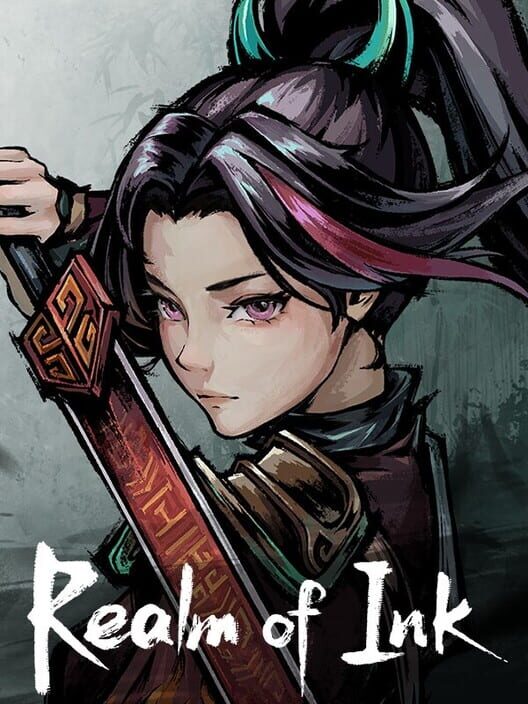
Realm of Ink is another isometric action roguelite that studied Hades closely and decided the formula still had room for one more coat of paint. This time the paint is Chinese ink-wash. You play as Red, a swordswoman hunting a Fox Demon, only to learn she is trapped inside a book whose story was already written. Death sends you back to the Fox Inn where you upgrade, unlock new forms, and try again. Rooms, choices, builds, bosses. The loop is familiar because the industry has decided this is what an action roguelite is supposed to look like now.

The combat moves cleanly enough. Light and heavy attacks have weight and the dodge feels precise when you stay sharp. Once the nine combat forms and weapons open up they give the fights different rhythms, and the Ink Gems are the real toy box. You equip a limited number, mix elements, and watch the pet Momo change shape based on what you are running. Synergies can get loud. Some runs turn into pure carnage where the screen fills with numbers and the enemies stop mattering. That feels good in the moment, but it is also the problem.
When a strong build comes together the game becomes a power fantasy. When it does not, you still move forward. Permanent upgrades and the overall curve are generous enough that most players will eventually steamroll higher difficulties simply by accumulating enough ink and forms. The game does not demand consistent execution the way older action titles did. It rewards curiosity and lucky drops more than it punishes sloppy habits. Modern design calls this accessibility and replay value. An older standard would call it a softened test.

The art is the one part that stands clean. The ink-wash style is consistent and striking, the stages feel like paintings that move, and the bosses have real presence. Visual identity is stronger than the story, which stays thin even after multiple endings. Characters exist mostly to deliver trades and exposition between runs. The mythological flavor is present but never cuts deep. You are not wrestling with fate so much as collecting stronger tools and watching the numbers climb.
There is no heavy lecture layered over the premise, and the game stays focused on breaking free of a written destiny through repeated combat. That is cleaner than a lot of current releases that cannot resist turning every story into a statement. Still, the overall design leans into the same habits that have taken over the genre. Builds that break the game are treated as features. Difficulty that can be overcome by accumulation rather than skill is treated as progress. The path of least resistance stays open if you keep running long enough. Hand-holding does not always look like a tutorial popup. Sometimes it looks like a system that refuses to let failure stay failure.

I cleared a fair number of runs, mixed gems until Momo turned into something ridiculous, and watched the screen fill with effects while calling it a good session. The combat has real snap when you stay aggressive and the systems work the way they are supposed to. The problem is the same one I keep seeing across too many modern titles: the game is more interested in making sure you feel powerful than in testing whether you earned that power the hard way.
A real test does not keep handing you stronger ink every time you fall short. Realm of Ink knows how to swing a sword. It just cannot stop making the swing easier the longer you stay inside the book.