
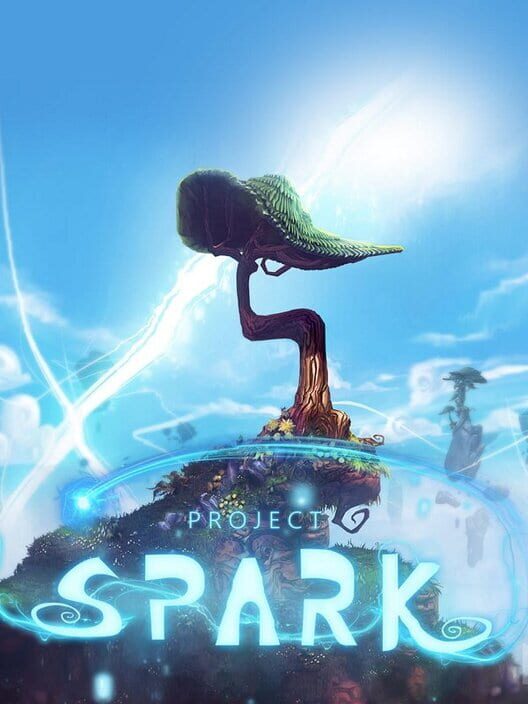
Our Judgment
Solid tools, real freedom, and a quiet ending that still stings.
Most games these days hand you a finished product and call it entertainment. Project Spark did the opposite. It handed you a full workshop and dared you to make something worth playing. An old chud sensei remembers sitting with it back when it first arrived on Xbox One and PC in 2014, and the difference felt honest in a way few titles manage.
You started with the land itself. Brushes let you push earth into mountains, dig tunnels straight through rock, carve rivers, and paint entire biomes in a few sweeps. Trees, grass, snow, and stone all reacted to the shape of the ground. Then you dropped in characters, props, animals, and buildings. Every object carried its own Brain, a simple visual system of WHEN and DO tiles. When the player gets close, the rock jumps. When health falls below half, the enemy switches tactics. You could build full combat loops, inventory systems, quests, or strange little experiments no big studio would ever greenlight. Kinect support let you record your own animations and voice if you wanted that extra layer. Remixing was built right in. Download a creation, crack open the brains, rewrite the logic, and claim it as your own. For a while the community filled the space with everything from rough platformers to ambitious action stories that almost felt like early prototypes of bigger games.

There was an official campaign meant to teach the systems while giving you something to play through. It worked better as a long tutorial than as a memorable adventure on its own. The real value sat in the blank canvas and the shared worlds. Crossroads mode offered quicker structured starts when the empty map felt too wide. You could spend hours testing a single behavior until it finally clicked the way you intended. That slow, hands-on craft has always been rare.

The troubles showed up early though. Those Brains demanded real time and patience before they started feeling like power. A lot of community content stayed rough, half-finished, or just plain mediocre. Finding the good creations took more digging than it should have. Monetization began cluttered and never fully settled even after the shift to free-to-play. Then Microsoft simply stopped feeding the fire. Development ended. The stores pulled it. The servers went dark in 2016. All those shared worlds and careful little systems locked away overnight. Ambition without the will to keep it alive is just a good idea left in the dust.
Project Spark never pretended to be easy entertainment. It asked for time and focus if you wanted something that actually worked. In a time when most games hand you the finished product and call it a day, that kind of open workshop felt honest. The ones who put in the hours learned real lessons about design and cause and effect. The ones who wanted instant fun walked away early. What’s left is the memory of a tool that let ordinary people build instead of just consume, even if the company that made it decided the experiment was over.