
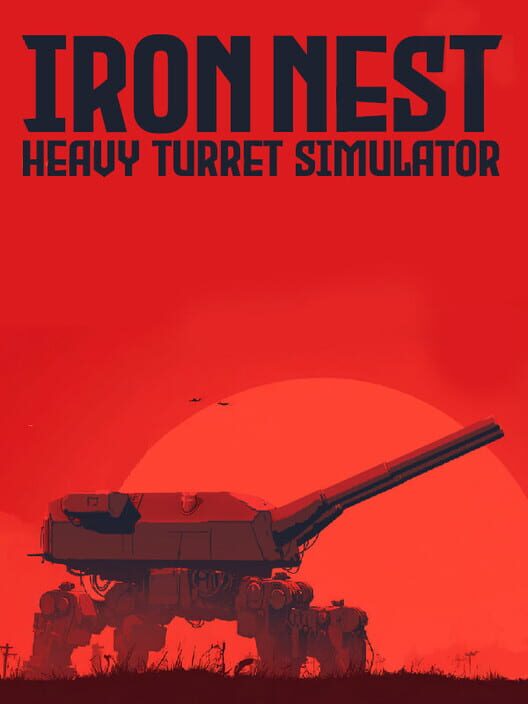
Our Judgment
A wise warrior measures twice and fires once. A foolish warrior measures once, fires twice, and blames the sake. I have done both. The Nest remembers.
The young ones left a strange machine at the dojo gate.
They called it Iron Nest.
I poured a cup of sake, sat down, and climbed inside.
I have trained with swords, staves, and the occasional stubborn student who refused to bow. I have never trained with a five-thousand-ton walking fortress that carries two guns large enough to settle arguments across entire provinces. High Command speaks through a clattering teleprinter. Coordinates arrive. Reports arrive. Sometimes the words are clear. Sometimes they are incomplete on purpose. The Nest does not care about your feelings. It only cares whether you can turn information into a firing solution before the enemy does the same to you.
The heart of the game is a loop that feels closer to ritual than to spectacle.
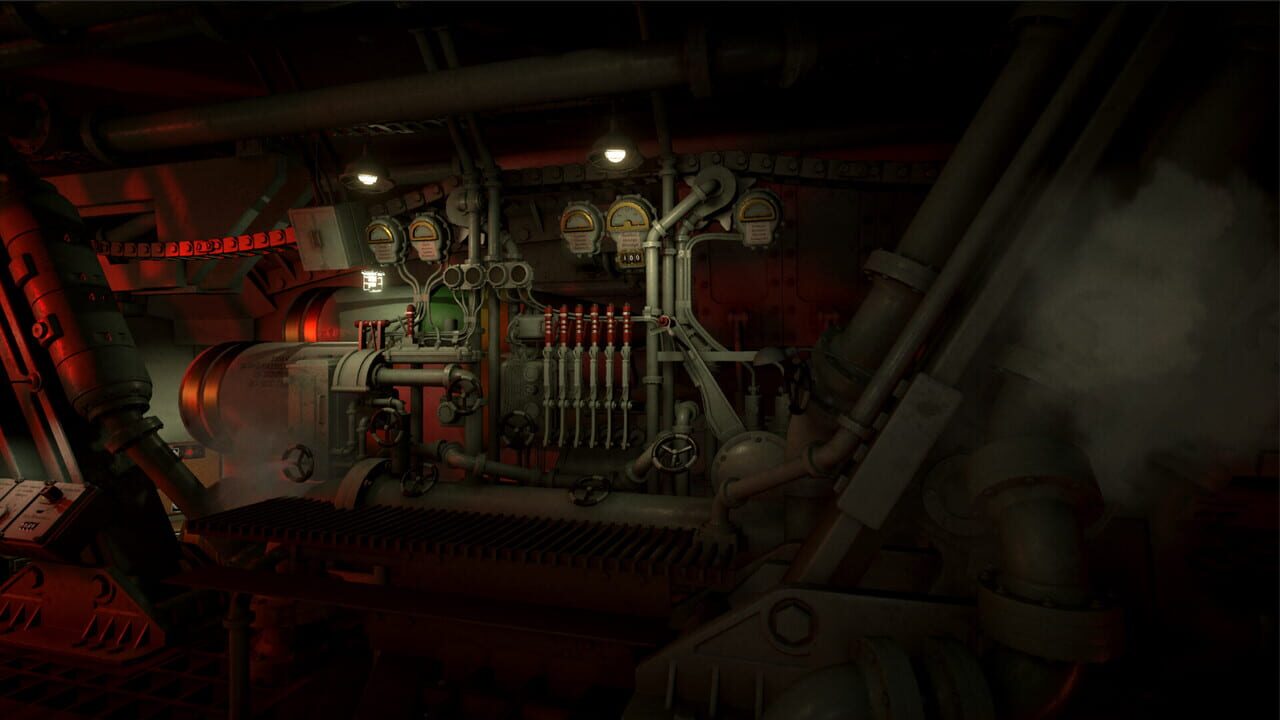
First you read. Then you move to the tactical map, a physical table covered in tools that demand patience: rulers, protractors, markers, pencils. You locate yourself. You locate the target. You measure range and bearing by hand. There is no glowing waypoint. There is only the slow work of turning scattered numbers into a line that means something. When the measurement is done, you carry it to the ballistic calculator, a stubborn mechanical device that converts distance into elevation and tells you how much powder the guns will need. The machine prints a small ticket. You take that ticket seriously. In this cabin, paper is as important as steel.
Then comes the loading.
Shells are not selected from a menu. They are chosen, requested, and manhandled into place. Different rounds exist for different problems: high-explosive for soft targets, armor-piercing for harder ones, smoke, chemical, and stranger options that unlock as High Command begins to trust you with more dangerous tools. Powder charges must be added in the correct amount. Elevation and traverse are set by turning heavy mechanisms that complain under your hands. Only when everything is aligned do you fire.
This is where the game stops being clever and starts being honest.
The Nest does not feel like a video game turret. It feels like heavy artillery. The guns do not snap into place. They resist. The hydraulics groan. The cabin vibrates when the mechanisms work. When the shells finally leave the barrels, the sound is not a clean explosion for the player’s pleasure. It is a deep, delayed concussion that arrives in the chest more than the ears. You do not watch a spectacular impact and move on. You wait. You listen. You feel the machine settle again. For a moment you are not playing a simulator. You are an operator inside something far larger than yourself, responsible for a weapon that could erase a position from the map and would not particularly care who was standing on it.
I may have poured a second cup.
Possibly a third.
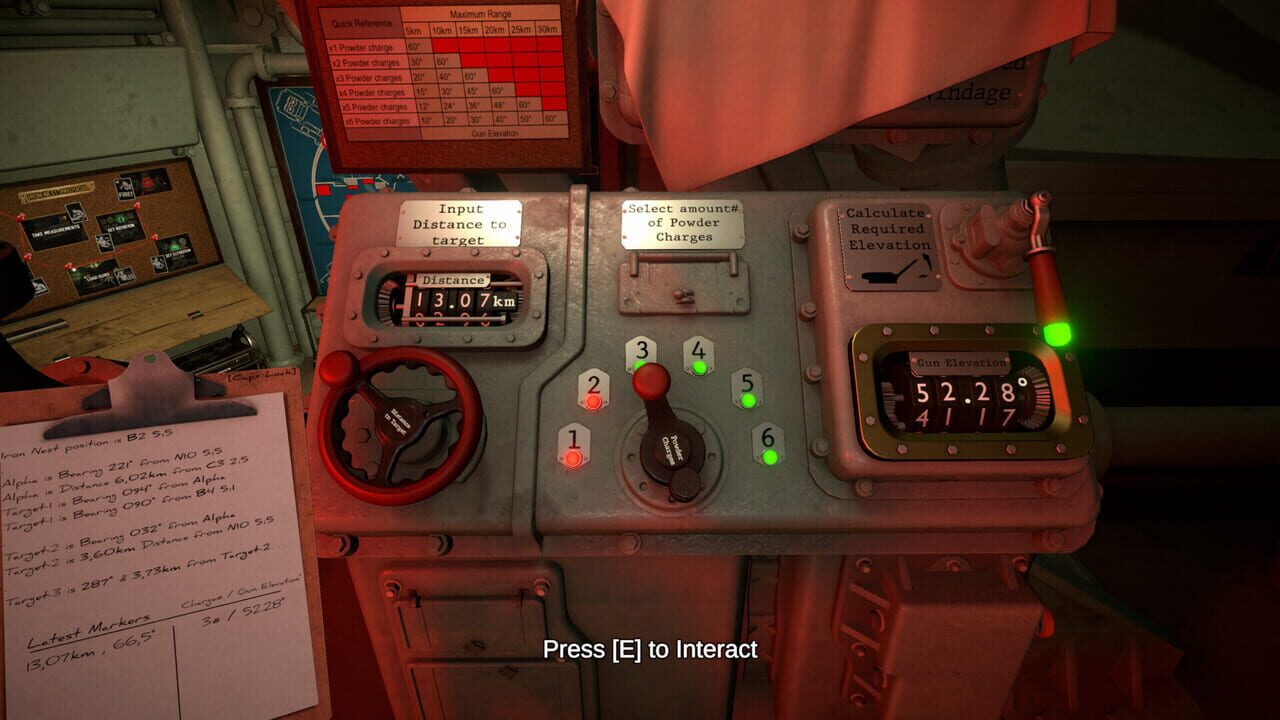
What surprised this old Sensei is how complete the fantasy becomes. The cabin is small and loud. Levers have resistance. Gauges matter. The sound of hydraulics and metal under stress does more storytelling than most dialogue ever could. A cat occasionally appears, unbothered by the business of war, as if the machine itself has decided that even a weapon of this size requires a witness who does not care about medals. Requisition systems let you request reconnaissance flights or special ammunition, but every request costs something. Efficiency becomes its own discipline. Spend too freely and you feel wasteful. Spend too carefully and you risk arriving unprepared.
There is moral texture as well. High Command issues orders. Some are clean. Some are not. The Nest will fire whatever you load. The question of whether you should is left sitting quietly beside the teleprinter, waiting to see what kind of operator you decide to become.
The pace is deliberate. This is not a game that chases constant excitement. It asks for attention, for note-taking, for the willingness to treat calculation as combat. Some will find the methodical rhythm meditative. Others will find it demanding. Both reactions are honest. The Nest does not change itself to please you. You change to meet its standards.
I left after several hours with ringing ears, an empty cup, and the unusual desire to climb back in and measure one more target. Many games hand you power and ask only that you point it at the nearest enemy. Iron Nest asks you to earn the right to fire. It turns maps, math, and machinery into a single discipline, then lets the weight of the guns decide whether your discipline was enough.
A warrior should know many forms.
Some forms weigh five thousand tons and answer only to patience, steel, and the occasional poorly timed drink.
The Nest is still out there.
I suspect it is waiting for me to sober up and try again.