
Our Judgment
A worthy gothic bloodbath with real craft and honest value. It earns its place on the ladder. It does not earn a deeper bow.
A wise warrior does not fear the dark.
A foolish warrior charges into it expecting the music alone to save him.
I have charged in anyway.
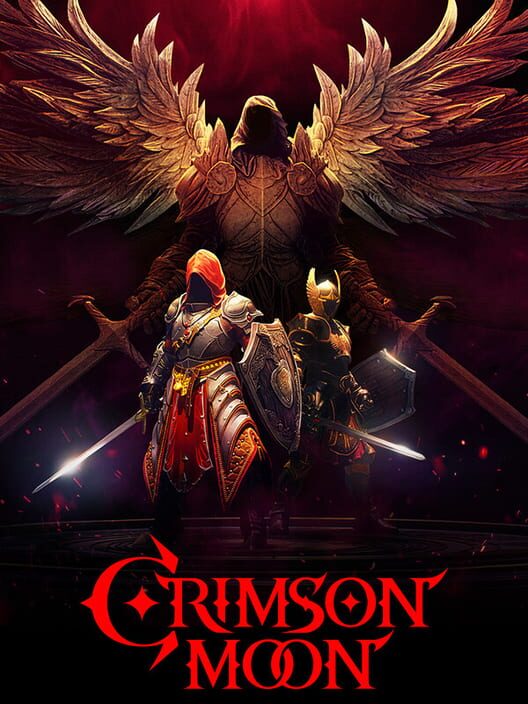
Crimson Moon places you in the form of a Nephilim — half human, half angel, bound to the Order of the Crimson Moon — and drops you into the ruined gothic city of Gildenarch. Demons, undead, vampires, and the creeping corruption called Hellgrowth have claimed every district. Your task is simple on paper: reclaim the city through short, brutal, replayable runs, growing stronger between them, and eventually stand against the Dead Gods themselves. Solo or with a second warrior at your side, the prophecy is yours to fulfill.
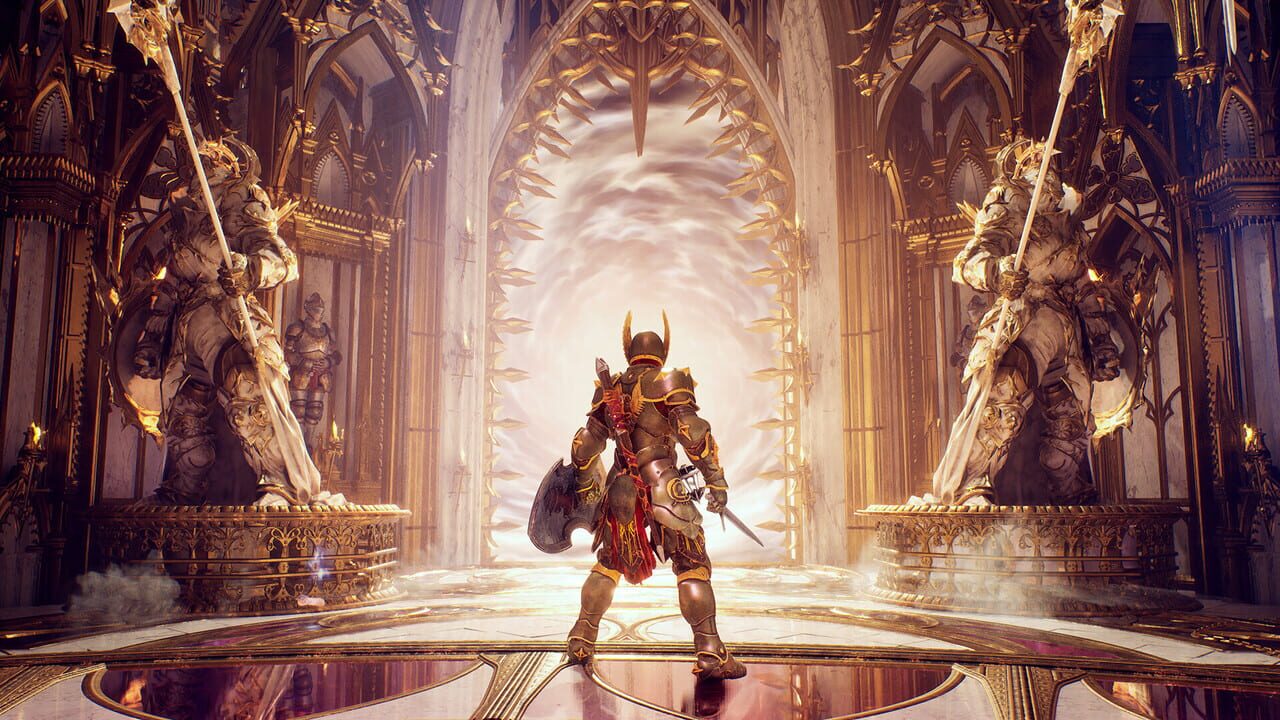
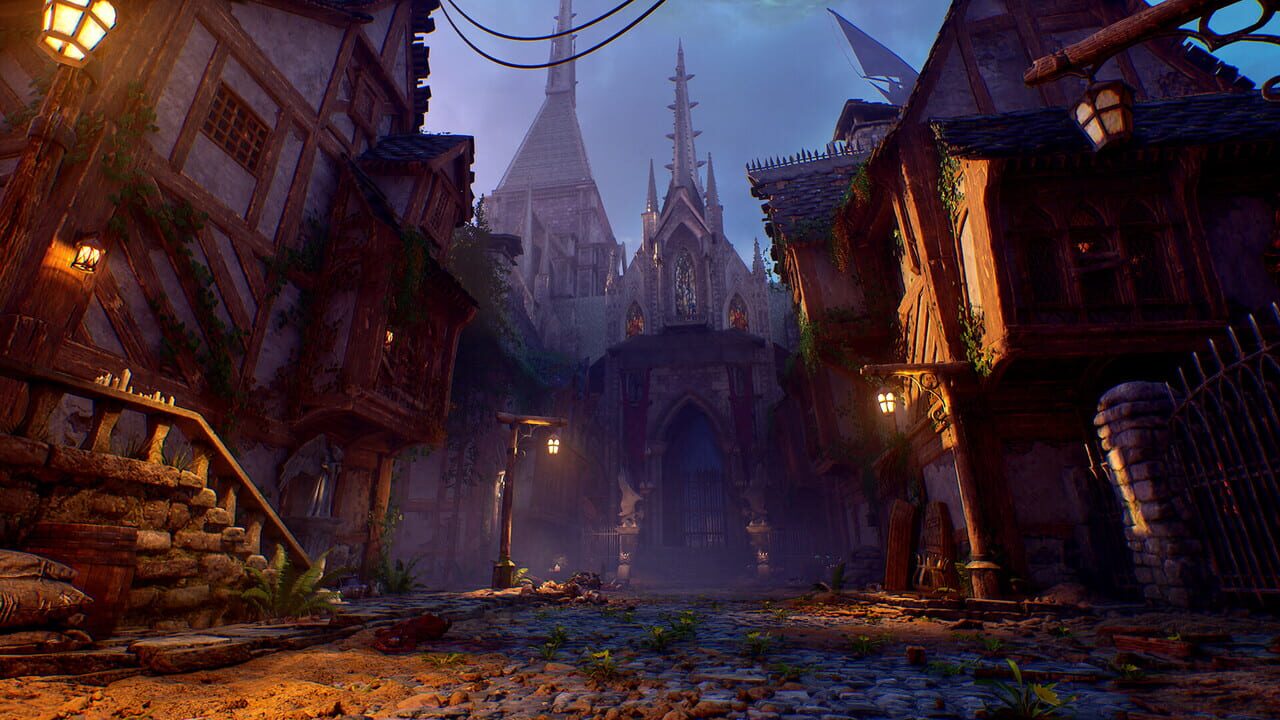
The premise is strong. The presentation is stronger still. Gildenarch looks the part — high renaissance architecture twisted into something dark and ornate, lit by a crimson sky that never quite feels safe. The soundtrack is pure heavy metal, and it refuses to let the energy fall. When the combat systems align, the game delivers the kind of visceral, blood-soaked melee an old Sensei can respect. Light and heavy attacks, parries, dodges, and backstabs form a solid foundation. Angel Mode transforms you into a towering celestial force with extended reach and regenerating health, turning desperate fights into sudden, satisfying slaughters. Executions land with weight. Enemy variety is decent. Boss encounters with the Dead Gods carry real presence when the camera cooperates.
Co-op is where the game feels most alive. Sharing lives, resurrecting a fallen ally, and discovering build synergies turns the crusade into something closer to a shared war. Dynamic difficulty scaling keeps the pressure personal. The Lives system is an interesting compromise — death costs a life and returns you to the fight without resetting the entire encounter, preserving momentum instead of punishing every mistake with a full restart. For a twenty-dollar title, the ambition and polish are noticeable. There is clear craft here.
But the cracks appear quickly, and they never fully close.
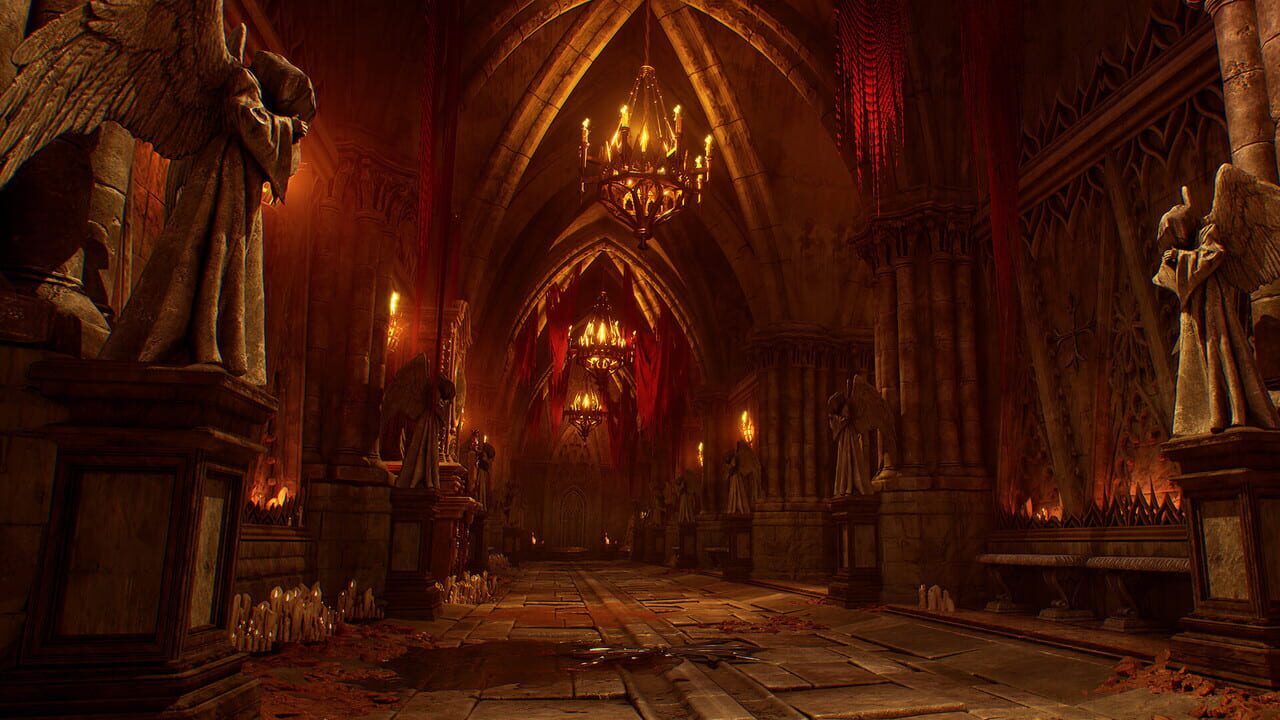
Combat, while functional, often feels floaty rather than punishing. Hits lack the bone-deep impact that separates a good soulslike hybrid from a great one. Parry timing can feel awkward, and the feedback is not always sharp enough to make mastery satisfying. Angel Mode is powerful enough that it frequently erases the tension the rest of the systems work to create. Once you learn to trigger it at the right moment, many encounters lose their teeth. The camera is a consistent problem in tight spaces and against larger foes, turning what should be precise fights into frustrating collisions with the environment. Levels begin to reveal their seams after a handful of runs. The districts are atmospheric, but the layouts and encounter patterns start to feel familiar sooner than they should for a game built around replayability. Progression and gear upgrades provide a sense of growth, yet the systems do not deepen in ways that keep the loop compelling over the long term.
The narrative is present but thin. Story is mostly delivered through collectibles and environmental scraps rather than conviction. The world has lore, but it rarely demands your attention. You can ignore almost all of it and still complete every run without feeling you have missed something essential. That is not a fatal flaw for an action-focused game, but it does leave the experience feeling more mechanical than mythic.
Crimson Moon knows what it wants to be: a fast, bloody, cooperative gothic action RPG that respects the player’s time and wallet. In many moments it succeeds. The value is real. The combat can sing. The presentation has personality. For players looking for a short, intense crusade they can share with a friend, there is genuine enjoyment to be found.
Yet Sensei finished many runs and felt little pull to start many more. The game is solid. It is competent. It is honestly priced. It simply never rises high enough to demand lasting respect. Ambition and atmosphere carry it part of the way. Depth and precision do not finish the journey.