
Our Judgment
A melee system that rewards aggression and real mastery, wrapped in a larger structure that still softens the edges more than a true test should allow.
A dojo does not reward the man who waits for the enemy to strike first. A warrior who cannot close the distance and end the fight has already lost.
Control Resonant drops you into a Manhattan that has been torn open by forces that do not belong here. The Hiss escaped the Oldest House. Reality folds in on itself. Streets end in chasms and buildings hang upside down. Dylan Faden, once a prisoner and once a threat, gets released as the last usable weapon the Federal Bureau of Control has left. His sister is missing. The city is dying. You are expected to fix it with a shapeshifting length of paranatural metal and whatever mastery you can force out of your own hands.
This is not the original Control. The gun is gone and so are the closed brutalist corridors. What you get instead is a melee-focused action game with open zones, skill trees, and combat that demands you stay on the front foot or die.
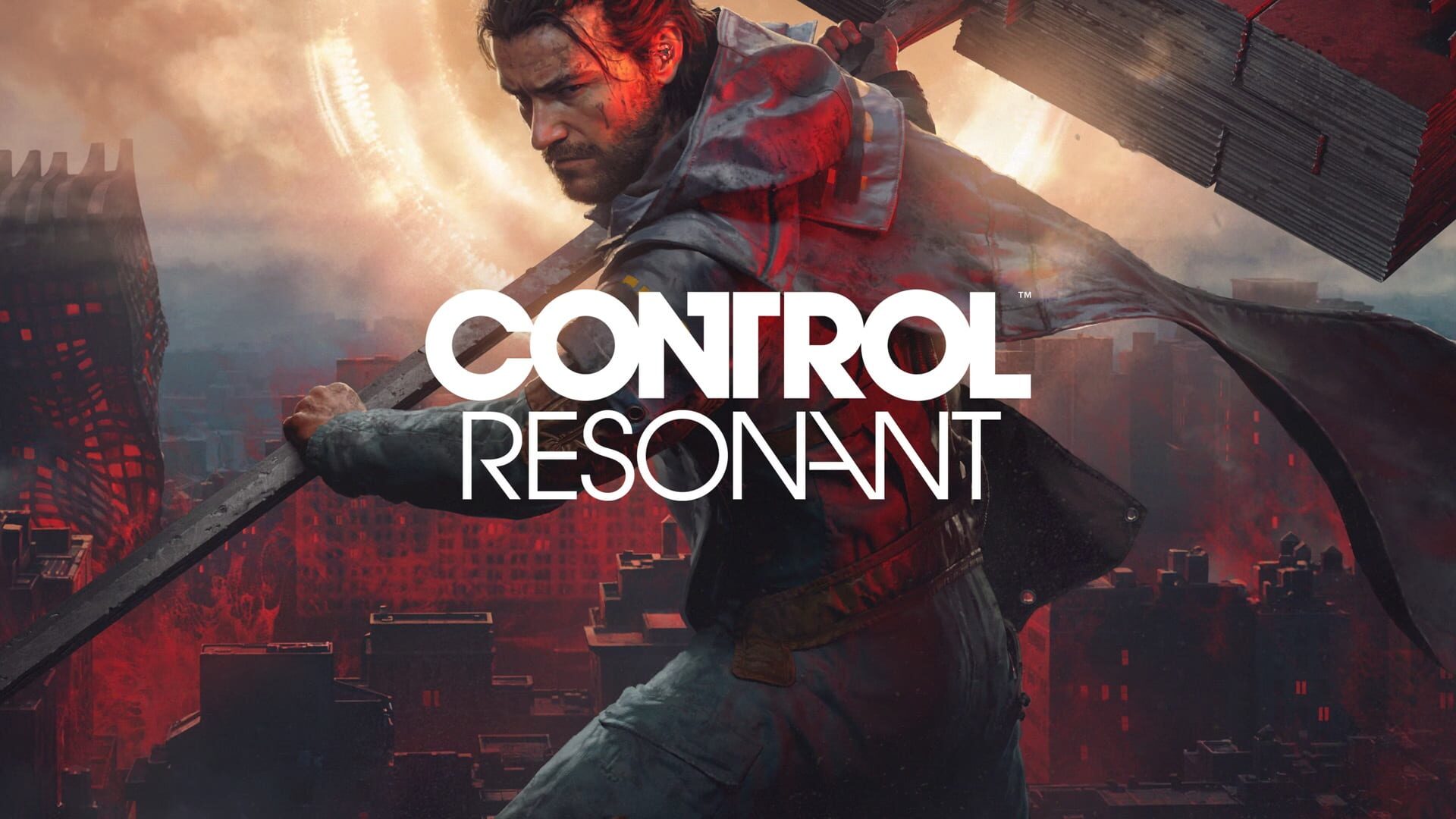
The Aberrant sits at the center of everything. It is not one weapon. It is a set of forms you choose and switch between. Primary forms handle the main rhythm, whether that is faster blades for pressure or heavier options for impact. Secondary forms change the angle with wide sweeps, reach, crushing weight, or a drill that wants to stay locked on. Finishers close the sequence. You build the loadout and decide the cadence. There is no automatic flow and the game does not hold your hand through the combo. You either learn the timing and the spacing or you get buried under the next wave.
Stagger is the real language of the fight. Certain attacks build Falter on the enemy, and when the meter breaks you can execute. That execution feeds Dominance, a short window of higher damage and better resource returns. Health orbs drop differently depending on how you kill. Play safe and the fight drags. Play aggressive, chain the finishers, and the system starts rewarding the pressure. That is the correct hierarchy. The game does not want you to turtle. It wants you to stay inside the enemy’s range and make the decision for them.
There is no traditional parry. The dodge exists, and with investment it can become an offensive tool rather than pure defense. Aerial combat is viable if you put in the work. Hover, dash, and double-jump let you stay airborne and keep the pressure going. The Resonants are the real tests. They are not just bigger health bars. They force you to read patterns, switch forms mid-fight, and use the environment the same way the enemies do. When a Resonant fight clicks it feels like the system was built for that exact moment.
Movement and combat share the same muscle memory. The traversal abilities that let you cross warped streets and inverted architecture are the same tools that keep you alive in a dense fight. Master one and the other improves. That is clean design.
The rest of the structure is where the modern weight shows up. Zones level as you complete objectives inside them, and a higher zone level means better drops, stronger shop inventory, and more map information. It is a soft progression loop dressed as world reactivity. Side content exists in volume. Some of it is strange and worthwhile. Some of it is the familiar checklist of markers and repeatable tasks. The skill tree is large enough to let you specialize, but the game is also generous with respec options. Softness creeps in through the cracks. Failures are recoverable and the path of least resistance is still available if you want it.
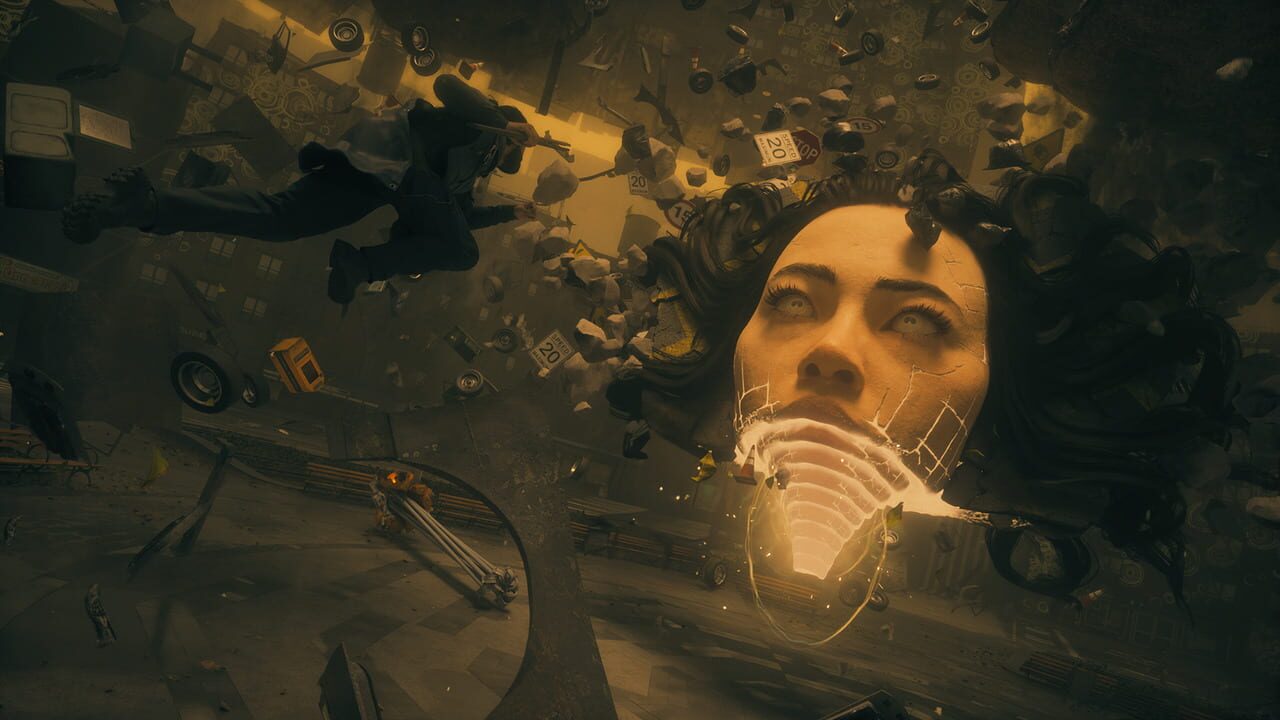
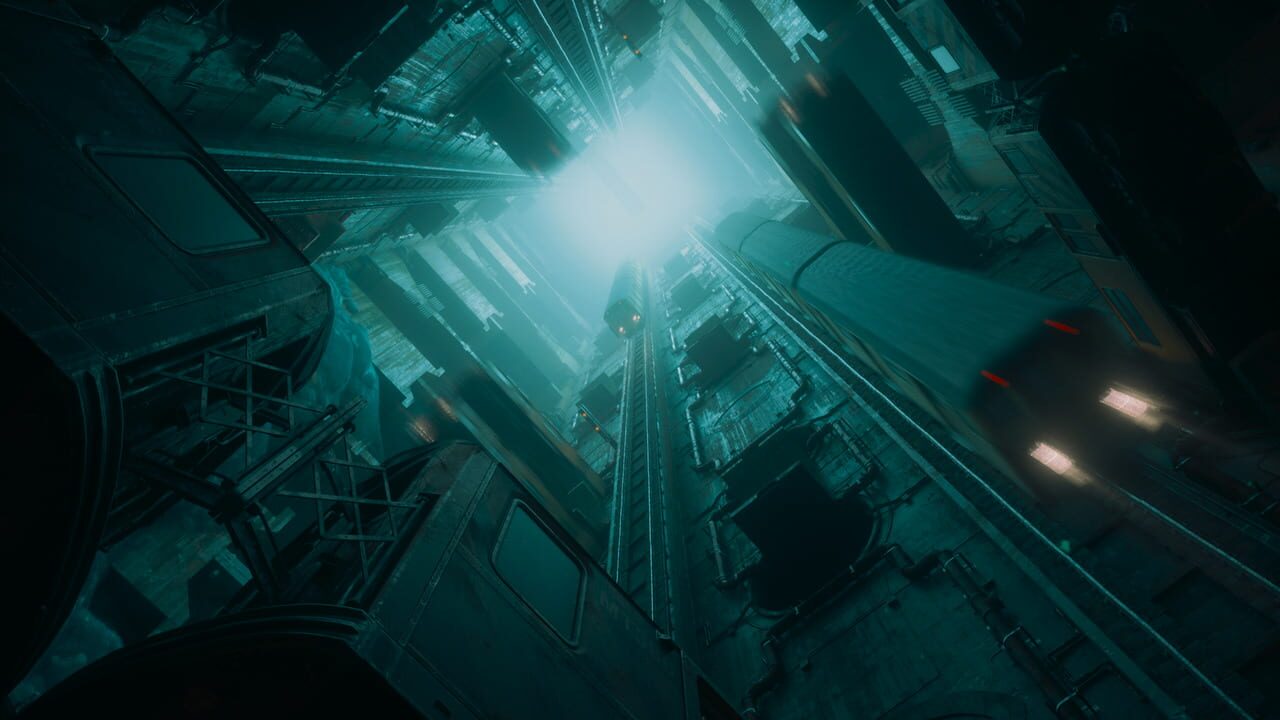
The world itself is the strongest non-combat argument the game makes. Manhattan under the influence of the Hiss and the new Resonant patterning is genuinely alien. Geometry that should not exist. Spaces that refuse to stay consistent. The art direction and level design do more to sell the threat than any cutscene. When the game trusts the environment to do the talking, it works.
Dylan’s story carries weight. Guilt, control, and the cost of power are not new themes, but the delivery is more personal than the first game’s broader conspiracy tone. The supporting cast is serviceable and the Board still speaks in its usual riddles. None of it is soft, but none of it is as sharp as the combat when the systems are firing correctly.
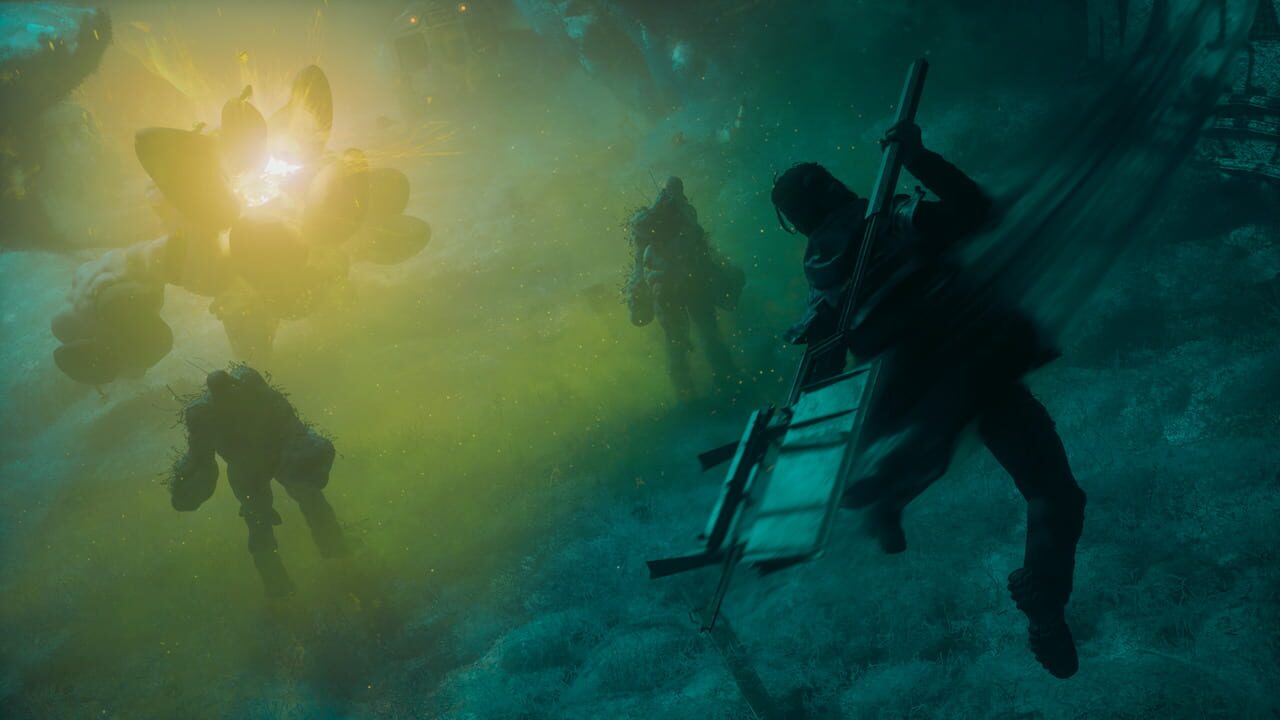
I stayed in the middle of the fights, forced the stagger, switched forms when the pattern demanded it, and used the same movement that let me cross a folded city block to stay airborne over a Resonant and keep the pressure on. When the systems aligned the game demanded real presence. When the open-world padding and recoverable failures took over it felt like the same modern compromise I have seen too many times.
A blade is only as honest as the man holding it. Control Resonant gives you a weapon that can be honest. Whether you treat it that way is still on you.